
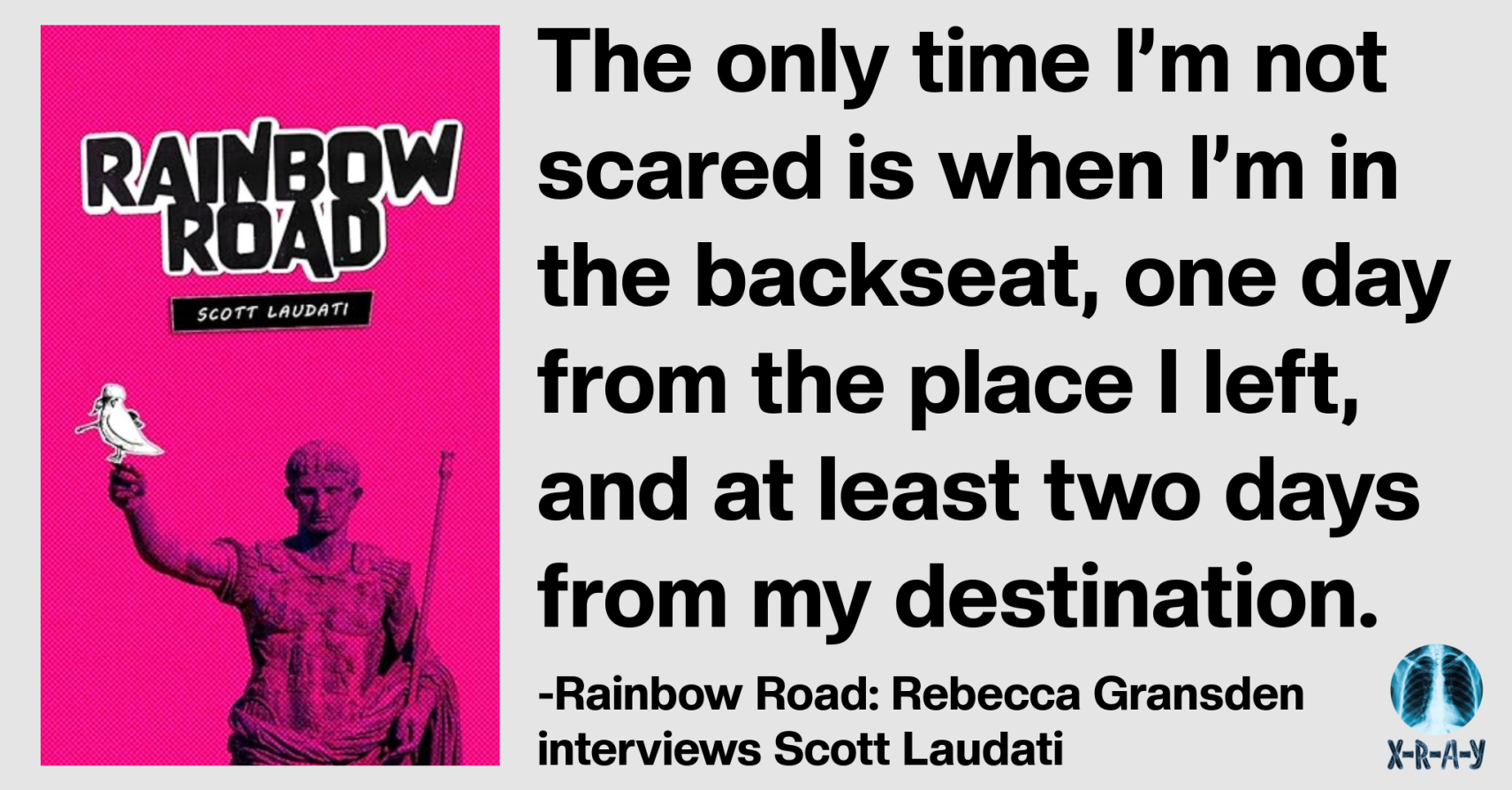
A wearied resilience resounds throughout Rainbow Road (Bone Machine, 2026), the latest poetry collection from Scott Laudati. A gathering of poems written loosely about Laudati’s travels across various American states, the book seems something of a watershed, both a culmination of years as an active poet, whatever that means, and the marker of a new phase, at this point in time the character of which is unknowable. Scott has been around the block and then gone back for more, before heading off in yet another direction, loaded with nothing but the impulse to keep moving. Whatever is at his heels, there remains a stubbornness to Laudati’s writing, a commitment to see it through. I spoke to Scott about the book.
Rebecca Gransden: What’s the story behind the title, Rainbow Road?
Scott Laudati: There’s a song I’ve been searching for my whole life. I always knew it was out there. And there’s a place I’ve been searching for this whole time. I don’t know if it still exists or ever actually existed. But then one day I heard some of the song, it came over the aisles of an ALLSUP’s in Tucumcari, New Mexico; it was in the lyrics of a Joan Baez song. And then I heard a little more of it out in Bakersfield, in the voice of Marshall Chapman. A song about a man who started with all the faith and honesty in the world, with a gift and a dream, and life slowly killed it out of him while he was looking for a place he never found. And then when I was putting this book together, the last one I’ll ever write, my well completely drained, I found out it was Kris Kristofferson who wrote this song. And then, finally, I could put the missing piece where it belonged. The song was Rainbow Road. One of the prophecies’s fulfilled, the other I’m afraid was buried under a Walmart a long time ago.
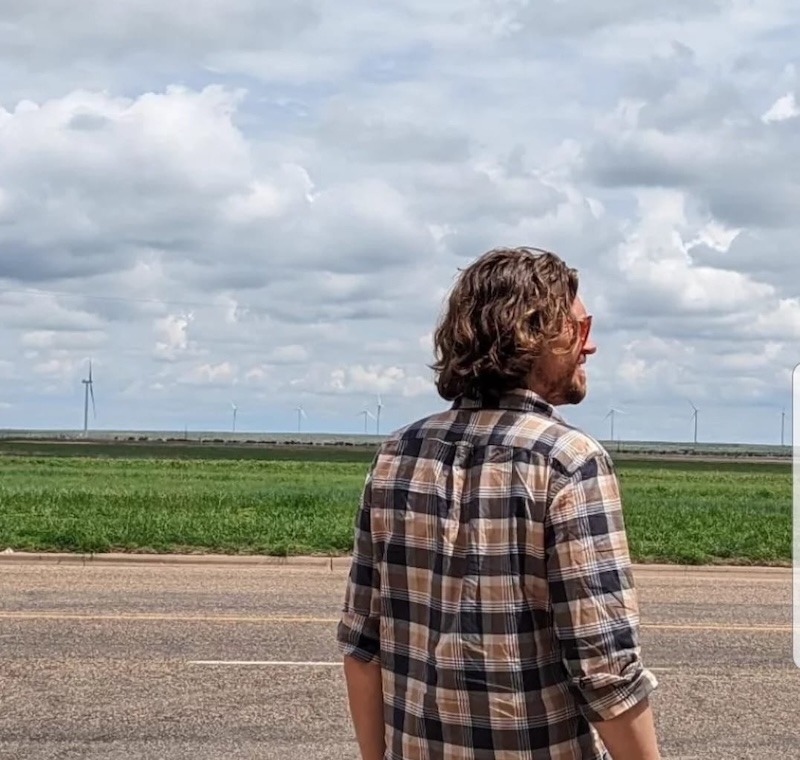
RG: You’ve mentioned that Rainbow Road is the final poetry book in a trilogy. What was the original concept for the book and where does it fit in relation to your other releases?
SL: It has to be the end because I’m not interesting anymore. I’m old. I’m always tired. I don’t see this world as anything but a punishment, and I really feel like it’s some sardonic joke or proof that the Universe is evil that we went from the PARTY ROCK-era right into this. Everything was fun and exciting and now it’s all really boring. This book starts with me in New York City, a bright-eyed kid in a world that isn’t too big yet. And it ends with me standing in the Pacific Ocean looking at apparitions out on the sea, realizing I wasted my entire life.
Years ago when I started this “trilogy” I assumed I’d have some perspective by the end. But it’s been 20 years, I’ve dragged myself from backseats in towns they’ll pay you to move to, I’ve traded so much of myself for nothing, less than nothing, I traded at a loss. And all I want is to go back to where I began and do it all again. Differently. The only thing I’m proud of is I feel like I’ve left behind a fully examined life, for the future, for the aliens, there’s nothing I haven’t mined for my story.
RG: The book is divided into sections, all defined by time and place. How did you settle on this?
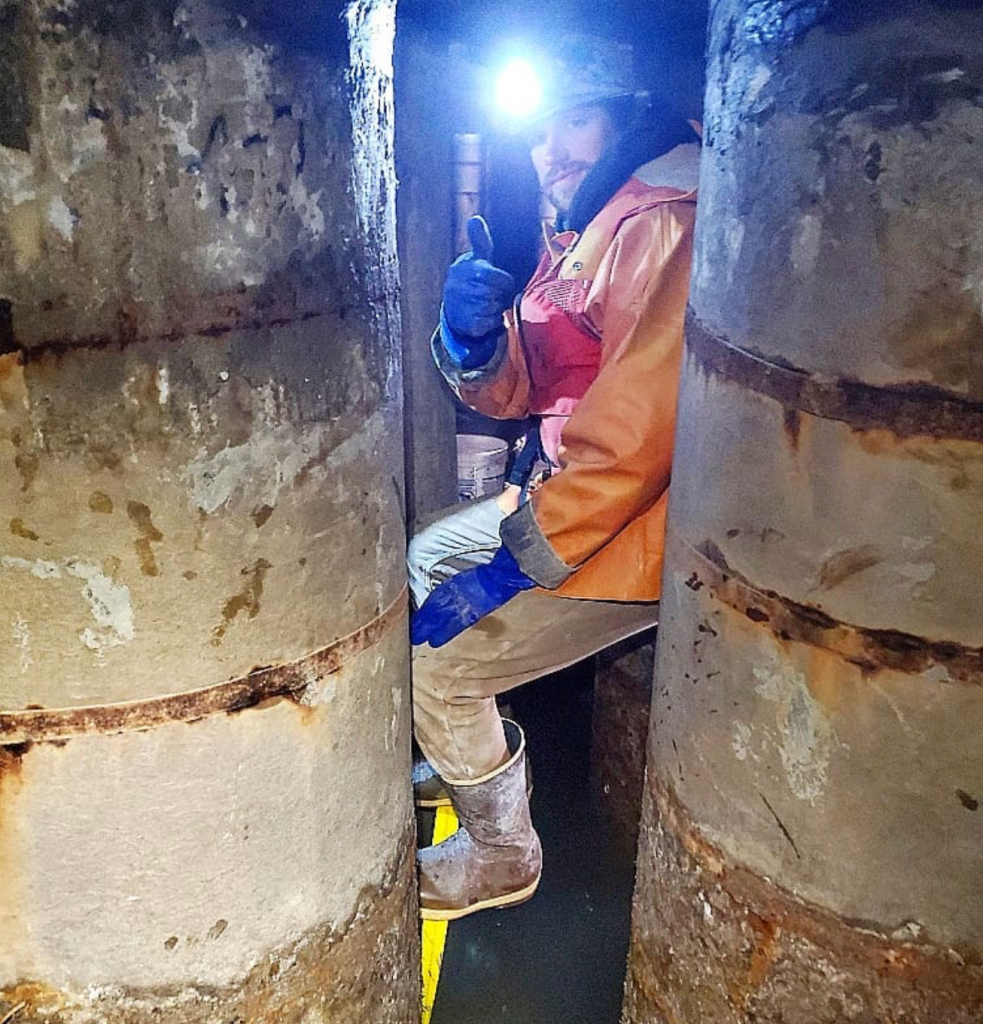
SL: It’s who I’ve always been. I briefly have these jobs that hurt every single day. Concrete falling on your head. Rich people making you dance for their amusement. And then I quit because I accept being homeless isn’t worse than that. So I never have any money. And when you’re broke you walk. I study the streets. The squirrels. The bums. The trees. The architecture. I walked everywhere for 9 months when I lived in LA. I don’t think anyone else in history has ever done that. So even if it’s not explicit in the poem, I think you can feel it. I’m wrapped in the fabric of wherever I am pretty quickly, it’s all you can do as a poor man, and if you can package it into a poem there’s some dignity in your poverty.
RG: The pull of the road. I kept having Joni Mitchell’s “Refuge of the Roads” playing in the back of my mind while reading the book. The road is endlessly romanticised by artists, but you bring a fresh honesty to the gravity it has for you. When did your version of wanderlust first begin to take hold?
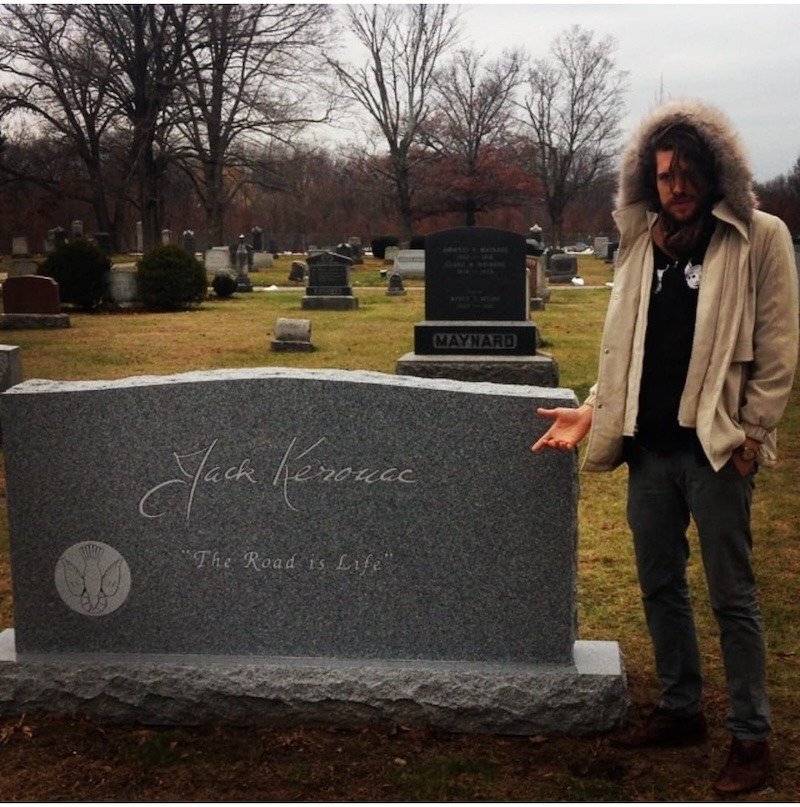
SL: It’s easy when you’re from a class level like mine and were raised in a place like Staten Island. A grey alien would’ve had an easier time existing in that environment than an artist. You watch everyone else adjust so easily. Parents with athletic kids are so proud. Guys who treat girls like shit always have another one waiting. And it doesn’t make any sense to you, so you retreat and spend a lot of time staring out the window, sure as anything that somewhere else there are people just like you, and if you can get there, well, …you’ll finally be cool. As long as I can remember I wanted to get out, and then I read On The Road when I was 15, and I finally had the blueprint sitting on my lap.
RG: Memory and time. The nature of memory and how it is tied to place is important to Rainbow Road, and there is a bittersweet, wistful quality to many of the poems you’ve selected for inclusion. As we move forward in life there is more to look back on. How does your past impact your present, and in what way does this manifest in your creative life?
SL: I’m really jealous of whoever that kid was, because while I’m a better writer now, I’m so much less intelligent. Back then I was always on the go because stopping was certain death, the suburbs, a job, a family, no, the momentum we had was something that needed constant oil, and we fed it. And now I think back to a girl named Dyani I met in Dillon, MT. She was 18 or 19, our waitress at the diner, her boyfriend had just shot himself, and she and I walked along the river there and smoked a hundred cigarettes and talked about everything on earth. Sometimes when I’m stuck I think back to memories like this and I remember it would take a thousand lifetimes to write every meaningful moment in a person’s life, and then the words come a little easier for awhile.
RG: The poetry reading tours you undertake are a significant part of your roaming life. When did you start doing this? Has the nature of these tours changed over time? Any highlights you’d like to share?
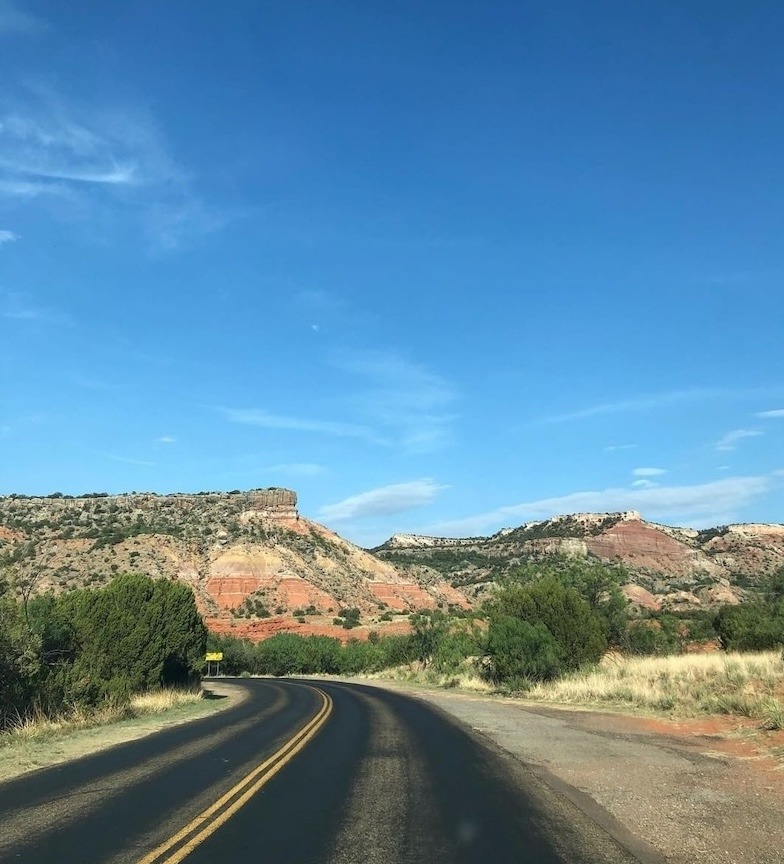
SL: The poetry tours are kind of an extension of the band tours I used to do when I was much younger. I left high school early to do a cross country tour with The Early November, which I write about in Rainbow Road, and not much has changed since then. It’s the only way to live in “THE NOW,” which is why it’s so addictive. There’s no feeling like knowing you’re never going to be in this town again, with these people again. People make crazy decisions. If you’re going to fight, you’ve got to fight. If you’re going to fall in love you’ve got six hours to do it. And then you’re gone. I saw a pre-tech San Francisco from the backseat of a speeding 1972 pearl-white Volkswagen Bug. I swam naked in the Mississippi River in 2006 with 30 members of a cult we met in Cairo, IL. These are things that can only happen when your past or future doesn’t matter because the road is your home now.
RG: Where do you consider home?
SL: Central Jersey really shaped me, seeing Manhattan across the bay every single day, I knew I had to get there. But I didn’t know you needed a million dollars to live there. So it never felt like home, just an abusive relationship. The only time I’m not scared is when I’m in the backseat, one day from the place I left, and at least two days from my destination. That’s almost freedom. That’s as close as it comes.
RG: “The Dog Days Are Over” reflects on the nature of animals and their relationship to us. Those who follow you online will be aware of the tendency for wild creatures to invade your life. Have animals always gravitated towards you or is this a relatively recent phenomenon?
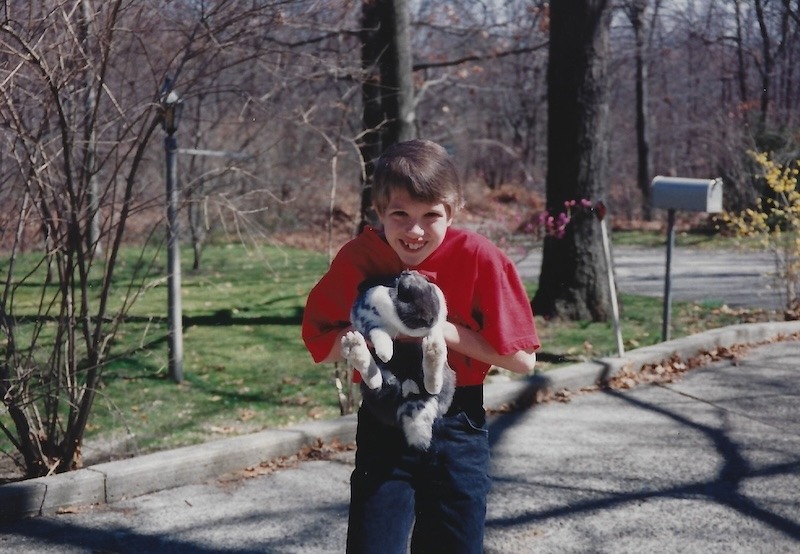
SL: No, this has always been part of the game as my mother or my girlfriend will attest. I just can’t see an animal struggle and not help it. The worst was this giant rabbit that had obviously been dumped in the park by my house. It hopped right up to me. I took it home. We named it Floppy. It was nice for two days, then it started attacking everyone, even the dogs. We were all huddled up on the couch, holding the dogs, and finally got a blanket over it as it was springing up trying to kill us. This thing growled like a wolf. I’m not kidding. We drove it to the woods and my dad, a huge man, untied the blanket and didn’t even look back, he ran for his life and dove into the car. I’m sure the coyotes and raccoons still tell tales around the campfire about the savage rabbit that became Lord of the Forest.
RG: Do you think about how you want to be in the world when you are very old?
SL: Every single member of my family since we got to these shores has bled for this country. My grandfathers were shot and blown up in WWII. My father, a 9/11 firefighter, was crippled from the smoke and poison of that day. I want to be known as the native son. I’m trying to profile every town in this country that ever had a story. I want to be in the conversation. I figured I have about 40 years left to accomplish this.
RG: Many of the poems featured in Rainbow Road deal with a reconsideration of past decisions, loves, connections. What are your main feelings on the collection in retrospect? Any major shifts in perspective since you began writing the pieces that are included?
SL: Almost every poem in this book, and my novel for that matter, are about the same person. I believe in soul mates, and time lines, and I think you’re cursed to repeat this life or some kind of reincarnation until you get it right. So I think decisions you make before you two even come into each other’s lives in this timeline should be made with this in mind. The goal is always true love, and I think every person does have their other half out there, but by the time you find them you’ve already done so much damage the gift is rotted before it blooms. I wish I’d practiced forgiveness instead of being so emo and judgmental. Maybe in the next life.
RG: Your travels have taken you to neglected parts of the States, and elsewhere. Many of the places you visit and the times you spend in them are chronicled on your YouTube channel. How did that come about?
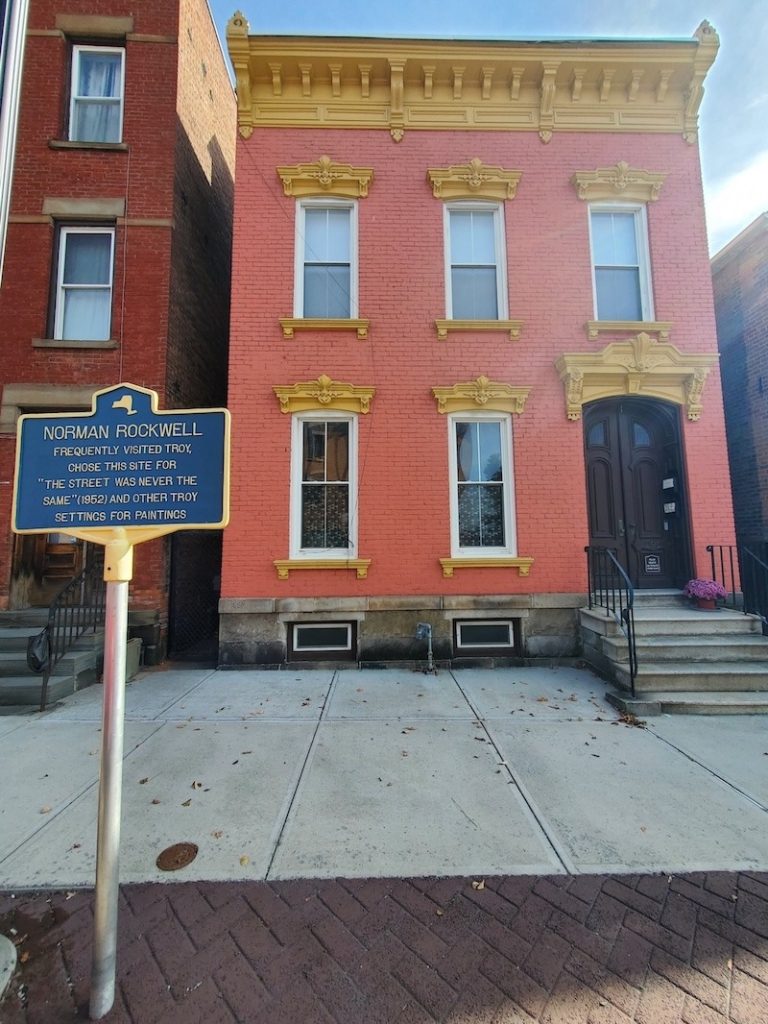
SL: History. All the places that are gutted now were once thriving industrial cities, ports, railroad stops, and they’ve all been abandoned. But if you know history you can really marvel over cities like Wheeling, West Virginia. Or Troy, New York. And I want to profile these places because America wouldn’t exist without them. And everyone has completely forgotten that. I used to go home and write about these places, but everyone stopped reading. My job as an American hasn’t changed, though, so now I film them. It’s the same end but the means has shifted a little.

RG: Yeah, the history of a place, and how the past is held in the landscape, contained in the brick, is the element of the videos that I’m most drawn to. What attracts you to these often overlooked aspects of a town?
SL: I feel like I’m disrespecting the artistry that went into building these places if I don’t profile the masons, dock builders, etc, that did the work. Because these hunched over immigrants that built our cities were artists in the same way Da Vinci was. Carving bricks by hand out of clay from a river, sliding them together and constructing a home that still stands today. Why do we care about the Mona Lisa? Someone with a whole bunch of vowels at the end of their name built a master work in Troy, New York for a few pennies an hour that we marvel at today, live in, make memories in, and we never think about the sweat that went into it. The more you know about rivers the more fascinating it is that some produce good clay. The more you know about hard work the more you appreciate a good foundation. Our “high art” is a bunch of pedophiles making movies. Why don’t we know the names of the people who built our cities with their bare hands?
RG: What was your first experience of travelling away from home? Did you move around as a kid?
SL: We didn’t move and we took one vacation a year. Every single August we packed into the minivan and drove to Orlando Florida. I saw the interstate. I saw the rest stop in Virginia. And I saw Disney World. We did this for 14 sweltering summers. One of the years we got detoured and had to leave the interstate and drive through rural Virginia. That was the first time I saw real poverty. I saw houses with tarps over the roof. Addicts in the gas station parking lot. I didn’t have words for it then but I started to understand something about life.
RG: Another facet of your creative life is music. How far back does that go? What music echoes from the past and stays with you? Do you listen to music on the road, and if so are there tracks or artists you associate with your time writing Rainbow Road?
SL: I’m probably the same as everyone else. I love Bob Dylan, Leonard Cohen, Lou Reed, etc. Back in high school I was in Jersey when the whole pop-punk thing happened so I was exposed to music but it was sort of juvenile stuff like “I like this girl but she doesn’t like me,” you know, corny whiney emo. Then I found Conor Oberst (Bright Eyes) and it changed everything. I really studied his lyrics because he could pause single moments and retell them in ways poets like Dylan Thomas couldn’t even come close to. That I get to live in the same timeline as this guy makes me really believe in a higher power. I never listen to music when I’m writing though, I just end up focusing on the lyrics.
RG: Another theme you address is that of creative pursuit and what it means to commit to art: the tension experienced when teetering on a knife-edge between despondency and the impulse towards rebellion. The conflicting twin desires to give in and give it all. Where do you stand at the moment?
SL: I’ve given in. They won. All I want now is to be left alone.
RG: What is Bone Machine? Is there a core philosophy or manifesto attached to it?
SL: Bone Machine is my friend Thom Young and I. It’s a sometimes publisher, sometimes skateboard sponsor, sometimes record label. Basically, we stay punk rock and try to do the opposite of everyone else. Some years we publish a bunch of stuff. Some years we don’t do anything. Thom is featured in like 10,000 articles because he singlehandedly destroyed the whole Instapoet scene. Emma Roberts and Atticus hate him. I run the chapbook arm of Bone Machine and put out 4-5 authors each year. We’ve made fake authors and annoyed everyone and had The Huffington Post run hit pieces on us. And now I do all my YouTube videos under the Bone Machine umbrella. We’ve been doing it for 10 years now and it keeps working because there’s no philosophy or manifesto. It’s whatever we feel like doing and when it gets boring we stop. I don’t know why every writer doesn’t do this. Unless you are THE LAZIEST person on earth there’s nothing they can do for you you can’t do for yourself. Look in the back of every indie book from mine to the biggest in the game – you’re going to see either the Amazon print giveaway or the Ingram logo. Everyone is just POD self-publishing. I hate the “tastemakers.” I think they all have bad taste.
RG: Have you ever come close to death?
SL: I had a gun pulled on me by the featured poet at a show in Little Rock. He was all methed out and thought I was giving everyone his Social Security number. He ripped a revolver out from his waistband and pointed it at me. I thought I was cooked.
RG: Have you ever come close to life?
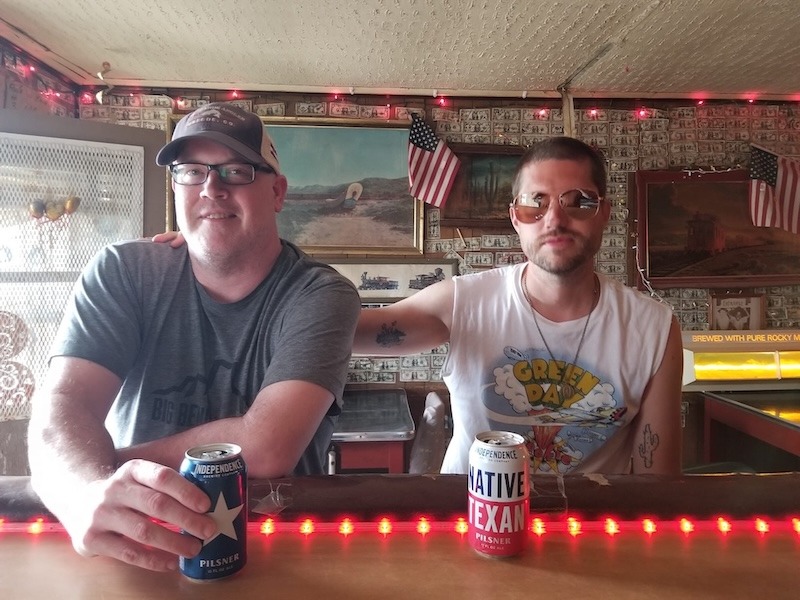
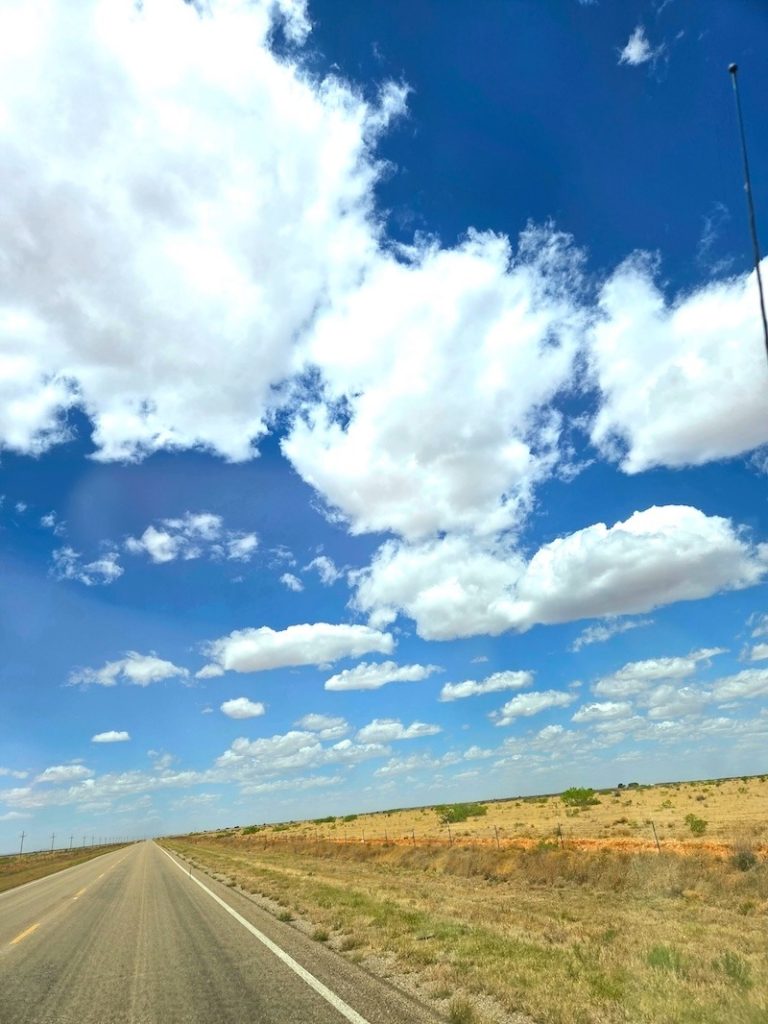
SL: 20 miles south of Seminole, Texas. Thom Young and I got a flat and were stuck on the side of a dirt road for hours – the most middle of nowhere you could possibly get. No car ever passed. It was 110 degrees. We had no food. We had no water. No cell service. Coyotes were circling. Our only option was to start walking the 20 miles to Seminole, but that was a death sentence. I was sitting on the bumper crying because we literally didn’t stand a chance, we were going to die there. Then suddenly over a hill came a pickup truck and a Mennonite man got out. He had an air compressor in his hood and got the flat filled up. We followed him back to the Mennonite compound. They changed the tire, fed us dinner, and his wife served us pie. He was an Angel. I swear he was sent by God. I think we saw the other side that night.
RG:
You can sleep tomorrow as the van
pulls headfirst into a sunrise
and somewhere long ago
you might remember a kid
whose only dream was this life.
Where are you heading?
SL: I wrote this after I watched my hero – Conor Oberst – forget all the words to his songs and then fall off the stage because he was so drunk. And even though I’ve never gotten the chance to tell him how his songs saved me dozens of times, I wanted to grab his face and scream, “WE NEED YOU.” Because he’s the poet of our time, and I could see he was just going through the motions, and I needed him to believe again. I can’t do this without him. Because I think I’m going the same place he’s going. And I think it has something to do with the lyrics to Hotel California.
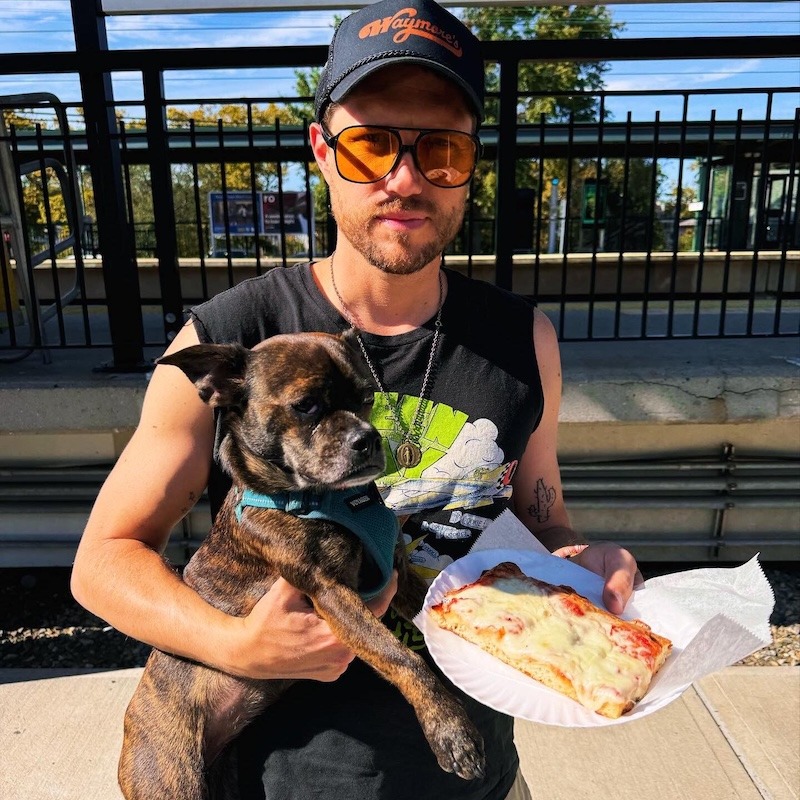
Follow Scott’s travels on his YouTube channel, and check out Stuff Your Face with Scott Laudati, Scott’s ongoing feature series at XRAY.
Scott Laudati is the author of Rainbow Road and Play The Devil. He co-runs Bone Machine from a trap house in Hereford, TX with his dog, Josie. Visit him anywhere @ScottLaudati